Friday, March 27, 2015
A day in the life of FFA
Windwolves
Thursday, March 26, 2015
New Documentary Explores History of Cancer
Monday, March 23, 2015
Morning at the BV Garden
Saturday, March 14, 2015
Jog A Thon
Under Construction
FFA pictures
Tuesday, March 10, 2015
Watching
Sunday, March 8, 2015
Wednesday, March 4, 2015
Almost Spring Concert
What is FFA?
COWS NOT REQUIRED: 7 REASONS WHY YOUR KIDS SHOULD PARTICIPATE IN FFA
Posted By Katie On 35 Comments
Do you know what FFA is all about? As a mom of a FFA member, I do—but as a student and young adult, I had no idea.
I married a small-town boy. He wasn’t raised on a farm, but he was active in his local FFA chapter as a high school student. My husband raves about the confidence and lifelong skills he gained through FFA (unparalleled to the skills he obtained from other organizations and activities). Our son, Hunter, joined FFA as an eighth grader and has been an active member for the past four years.
Today, I know what FFA is and what the organization is not. After several conversations with my friends from both rural communities and cities, I know there are a lot of adults who wonder, “What is FFA?”
Here are seven reasons why your kids should participate in FFA (which, by the way, no longer stands for Future Farmers of America):
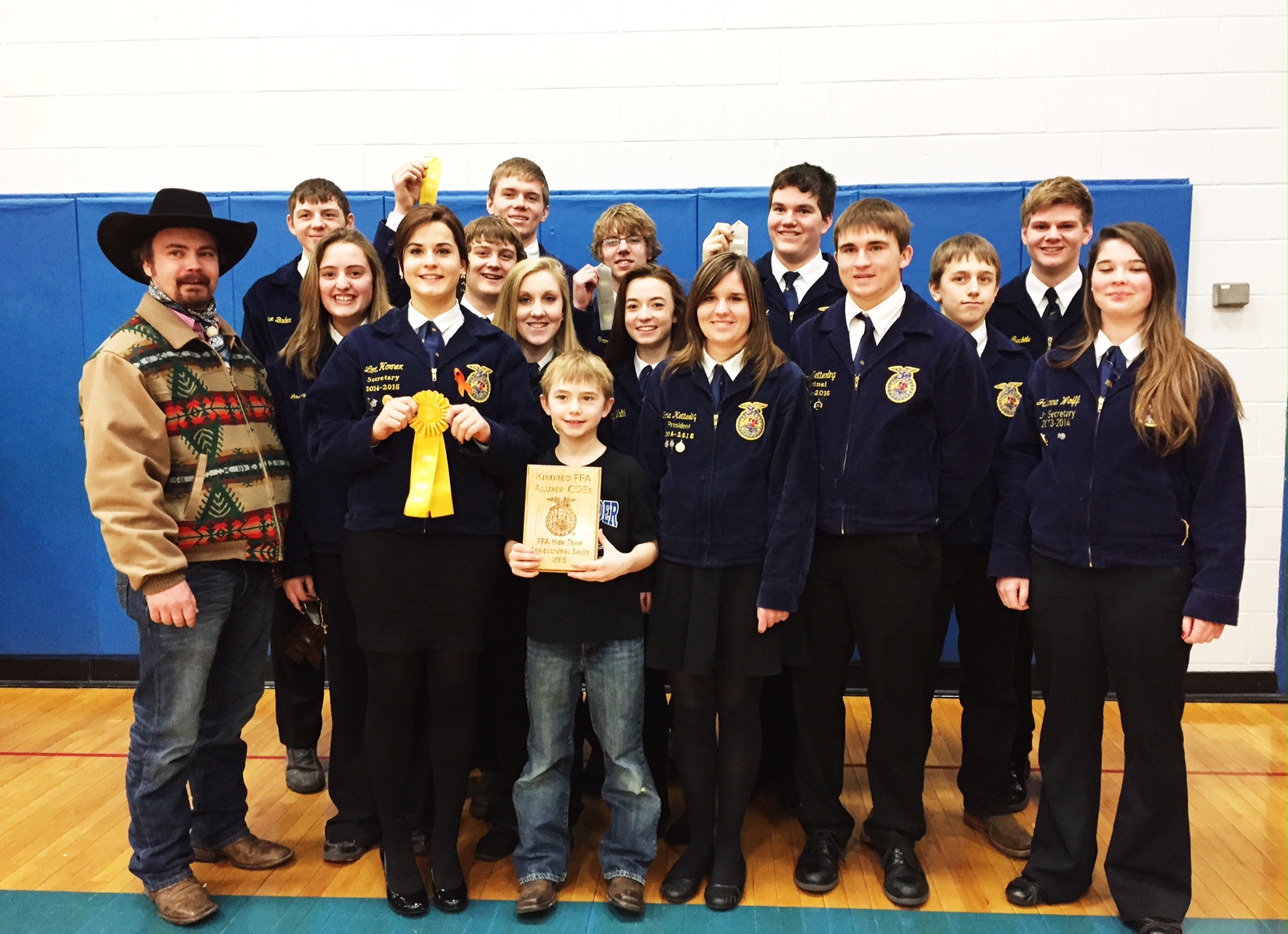
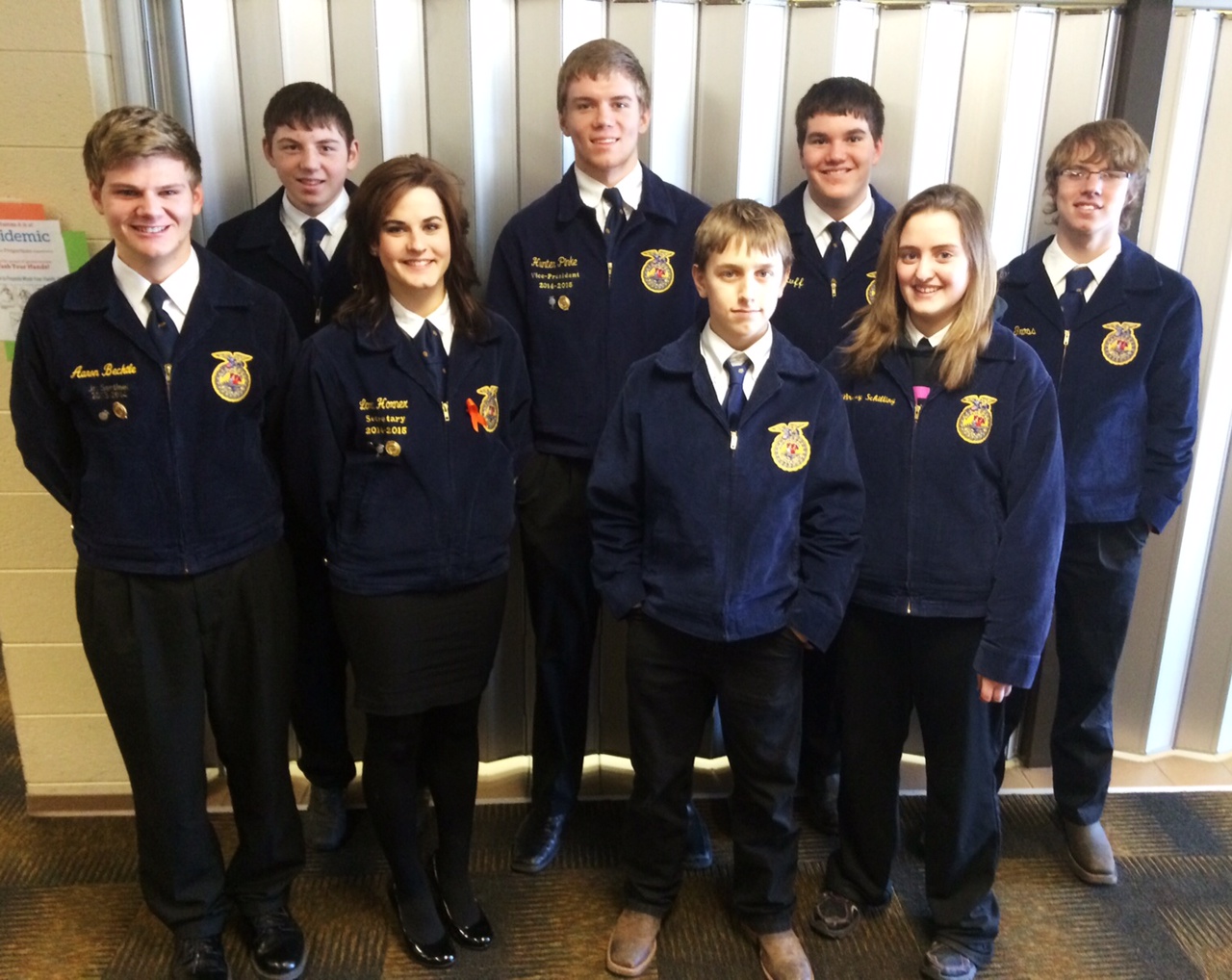
- Cows are not required. Neither are plaid or camouflage shirts. You don’t even have to own a pair of cowboy boots. There is an official FFA dress code, complete with the signature blue corduroy jacket that dates back to 1933. The dress code signifies FFA unity and connects each FFA member to the largest youth organization in the world. The blue FFA jackets come together locally, at a state level and at National FFA. It’s exhilarating for kids to belong to and attend National FFA which is second only to the National Republican Convention, as the largest convention in the United States. You belong to FFA with a blue jacket, with or without cows.

- FFA is not 4-H. They are two strong, yet different, organizations, and my kids are involved in both programs. 4-H is offered through the cooperative Extension service, outside of school. FFA is part of a school’s agricultural education program offered to junior high and high school students. In addition to serving as the FFA adviser, an agriculture education instructor teaches an array of classes based on the interests and needs of the students, such as animal science, veterinary medicine, environmental science, plant science, horticulture, floral design, agricultural mechanics, electricity, robotics, aquaculture, crop science, welding and/or biotechnology.
- FFA is inclusive. All kids—city, town, rural, farm, shy, outgoing, athletic and musical—are encouraged to join FFA. The world needs more inclusively instead of exclusivity.

- In FFA, there are not cuts and your kids do not make baskets or score touchdowns. They don’t have a winning record or a losing record. But they are still actively a part of a team. It’s competition with the highest level of integrity, compassion and encouragement of one another I have ever observed, both as a judge for a number of years and as a mom. Plus, your child will learn cooperation, time management, work ethic, how to set goals, research, writing, problem solving and business skills.
- FFA contests are aptly called Career Development Events (CDEs). There are more than 30 CDEs, such as environmental and natural resources, floriculture, food science, ag communications and farm business management. CDEs afford kids hands-on opportunities to test the skills they learn in a classroom in industry-focused, real-world events. There are at least a couple of CDEs that will fuel your child’s passions. Hunter’s first CDE, dairy foods, was not his forte. Testing milk made him sick to his stomach. The next year, he found his passion and voice in the ag sales CDE—and today he continues to sharpen those skills.
- FFA students learn by doing. Supervised Agricultural Experiences, SAEs, provide hands-on learning that teaches through entrepreneurship, internship or job placement; research or experimentation; and exploring new career opportunities. Hunter’s SAE is working at our family’s lumberyard. He’s learning hands-on skills about products, sales, delivery, accounting and much more. His FFA adviser checks in on him to help him track his SAE progress.
- FFA members are tomorrow’s leaders. Even if you weren’t in FFA, live in a city, aren’t from a farm and doubt your child will choose a career in agriculture, FFA teaches essential leadership skills that last a lifetime. During my marketing career, the best professionals I hired and worked alongside were once FFA members. Without looking at their resume, without asking them if they owned a blue corduroy jacket, I could tell they were FFA alum by their poise, preparation and articulation during a job interview.